Author: John
-
A No‑Compromise Solar Power LiFePO4 Solution for Arduino Projects
•
I have been designing and building a weather station to put in my garden at home. It will be a one-off project so I don’t need to compromise on cost – instead, I want something that will be reliable and, if anything, slightly over-engineered. This particularly applies to the power source – it has to be exclusively solar powered and there must be minimal risk of battery fire as it will be located close to a…
-
QNAP RTRR Service is disabled after reboot
•
If, like me, you use HBS3 to make automatic backups from one QNAP NAS box to another then you may occasionally find they failed and the reason for the failure is that the RTRR service on one of the NAS boxes has disabled itself. I was getting this problem at least every week and it was driving me crazy so I tried to find a solution. The nature of the problem I have two QNAP NAS…
-

Nano 33 IoT: Testing with solar power and BQ25185
•
My objective was to build a battery powered environment monitoring station using an Arduino. It might be an outdoor weather station tracking temperature, pressure and humidity or something to track indoor temperatures. Long battery life was a primary concern. In a previous article, I investigated how to minimise power demand and select the best combination of batteries (see my earlier article Nano 33 IoT Testing Battery Options and Low Power Mode). The final step, described here,…
Image generated with Craiyon
-
Nano 33 IoT: Testing battery options and low power mode
•
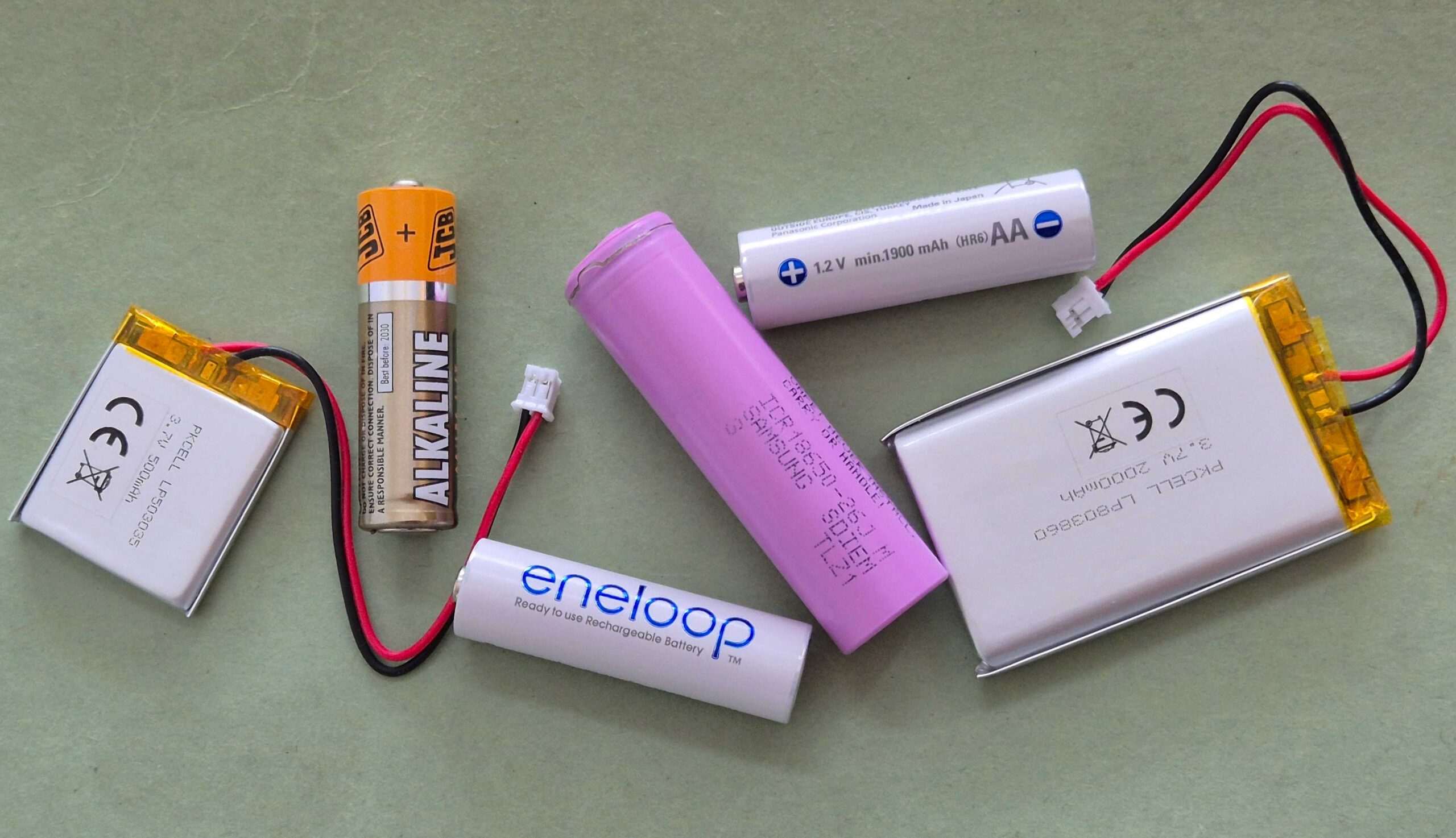
In this article, I will describe my attempts to minimise power demand in the Arduino Nano 33 IoT and select the best combination of batteries to use. My objective was to build a battery powered environment monitoring station using an Arduino. This might be an outdoor weather station tracking temperature, pressure and humidity or something to track indoor temperatures. Long battery life was a primary concern, but it also had to be compatible with various sensors.…
-
Selecting the right Arduino board for battery powered operation
•
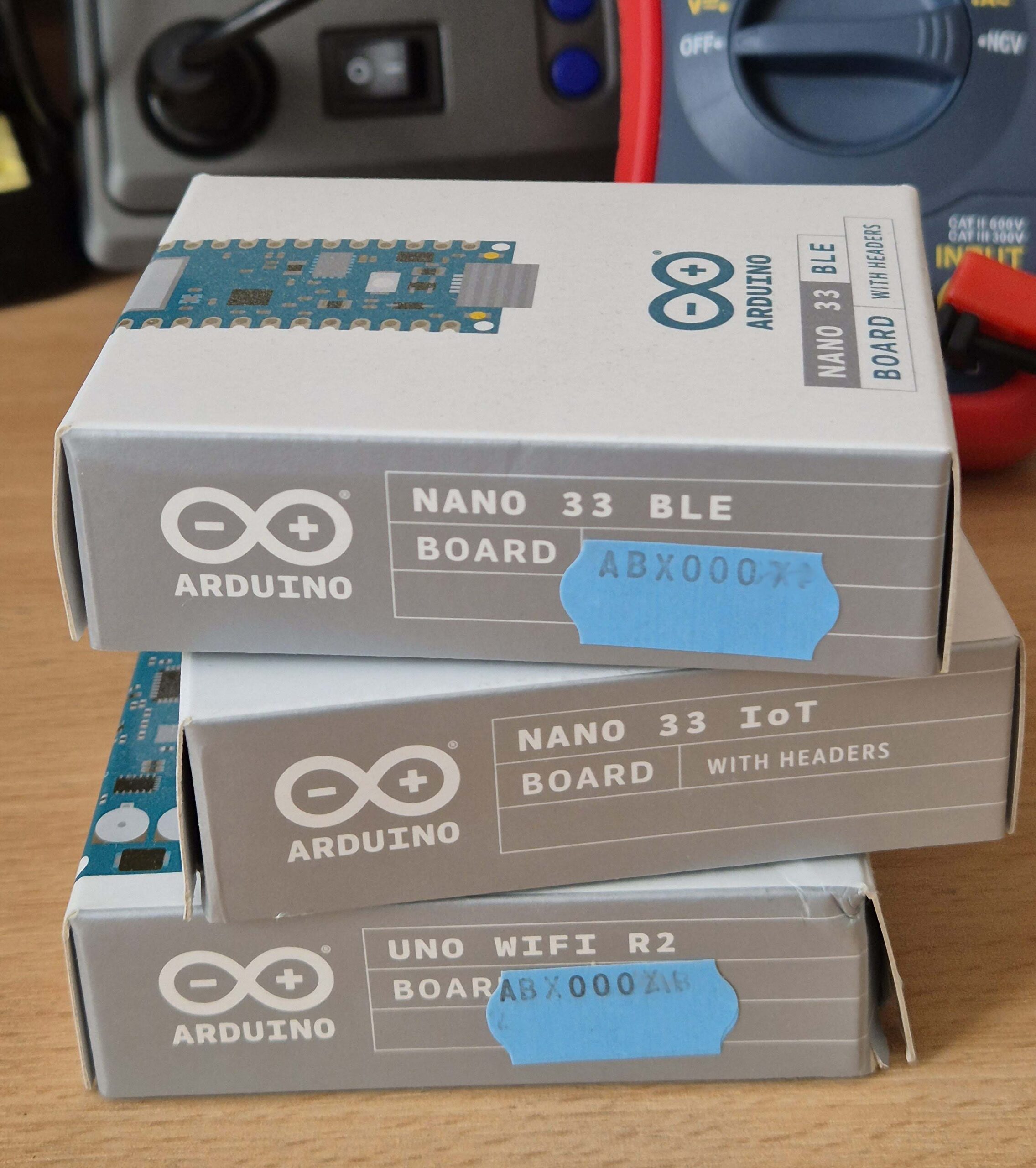
I had a fairly simple objective – to build a battery powered outdoor weather station using an Arduino. The very first step, choosing which Arduino board to use, proved to be more complex than I expected. In fact, the array of parameters in my selection matrix kept growing over time as my knowledge increased during the design and build process. High on my list of needs was that the weather station should be able to run…
-

Caller ID in SIP
•
Equipment receiving calls, whether a humble handset or a sophisticated Call centre ACD system, likes to know the identity of the caller. It may simply display the caller’s number on an LCD display, look it up in a directory so the caller’s name can be displayed or pre-populate a screen with information about the caller recovered from a database. However, the network also needs to know the caller’s identity because it may be important for billing,…
-

Interrupt Timer for UNO WiFi Rev2 and other ATmega4809 units
•
The usual interrupt timer libraries and examples may not work on the Arduino UNO WiFi Rev2 and Nano Every because they use the ATmega4809 processor. So here is a quick and simple example showing how to use one of the inbuilt timers (TCB0) to toggle a variable that can be checked in the loop routine. For many applications, this is the best way to execute code at regular time intervals. The alternative, using delay(millis) within the…
-
Testing the NRF24L01 with Arduino Nano 33
•
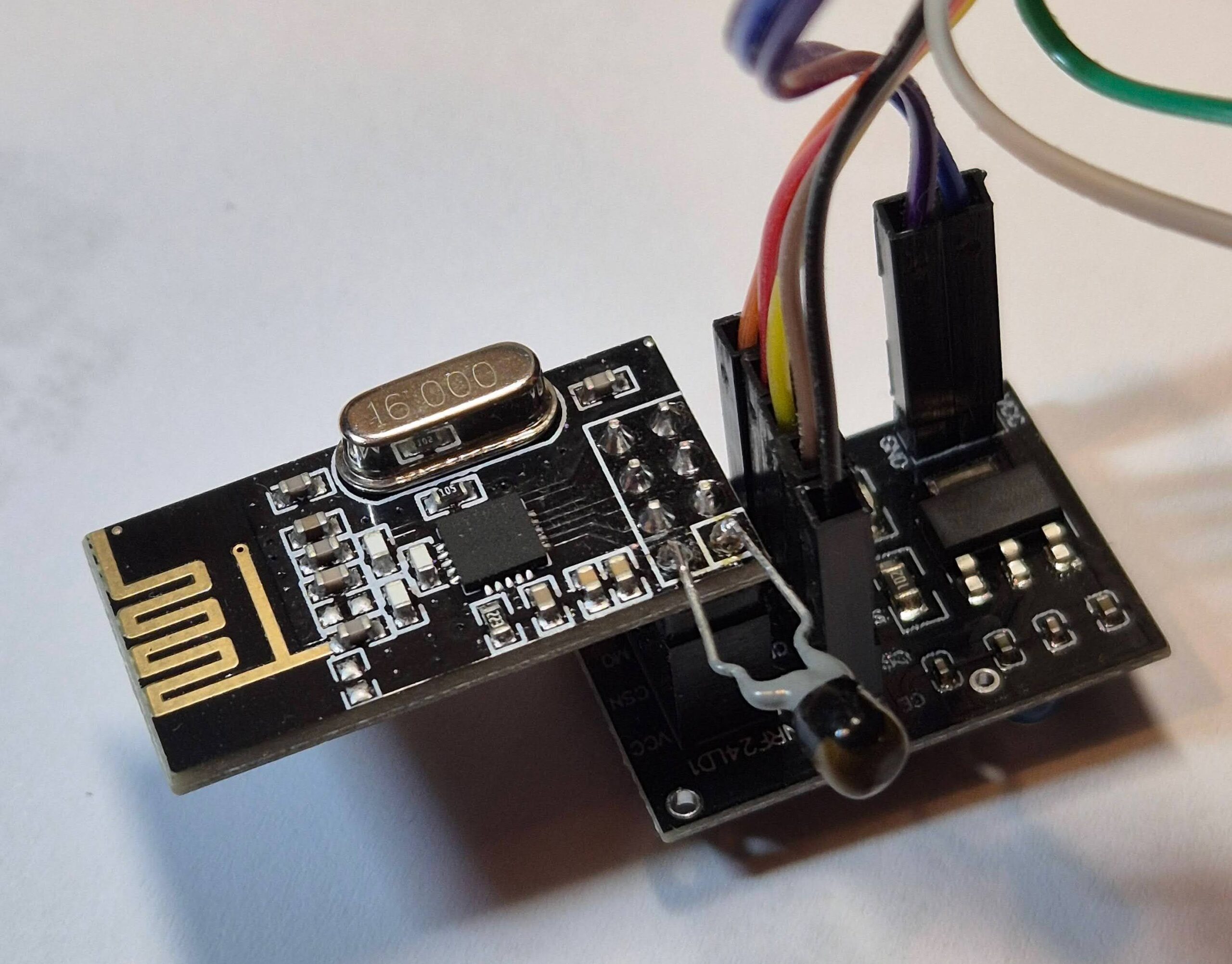
Summary NRF24L01 modules, because of their low cost, are an appealing option for data transmission over modest distances. They are best suited to unobstructed “line-of-sight” transmission, but one might hope at least to reach an adjacent room indoors. Here, I describe my experience testing a pair of NRF24L01 modules, each linked to an Arduino Nano 33 BLE. My first attempt was a complete failure and I then had to figure out how to debug it. I…
-
Creating and Using Post Templates
•
Summary: Using the Full Site Editor, how do you create new templates for use with some or all of your WordPress posts? How do you associate one – or many – posts with a particular template? Which template is used by default when you create a new post? While not a definitive guide, you’ll find a few notes here to help get you started. This article only discusses templates as used in the newer block themes…
-
Making OpenSIPS work as MS Teams SBC
•
Introduction Alexey Vasilyev posted an article to the OpenSIPS blog site in September 2019 which explained how to use OpenSIPS as an SBC for Microsoft Teams Direct Routing: OpenSIPS as MS Teams SBC – Drops of wisdom, knowledge and news from OpenSIPS I am sure the OpenSIPS community is grateful to Alexey for sharing his experience, thereby opening the way for some of us to build and deploy OpenSIPS as an interface to Teams. I have…
